What good strategy work actually produces
On the difference between a strategy document and a strategy process
The most common complaint about strategy consulting is that it produces a report that sits on a shelf. The report is often good. The analysis is sound, the recommendations are reasonable, and the presentation is polished. And then, six months later, the company is doing roughly what it was doing before. This is not an accident. It is the predictable result of a particular kind of engagement, and understanding why it happens is the first step toward avoiding it.
The document is not the strategy
A strategy document is a record of thinking. It is useful because it captures decisions and the reasoning behind them, because it gives a leadership team something to refer back to, and because the process of writing it forces a degree of clarity. But the document is not the strategy. The strategy is the set of choices the organisation is actually making, day by day, about where to put its attention and resources.
These two things can diverge significantly. A company can have an excellent strategy document and a set of actual choices that bear little relation to it. When that happens, the document is not the problem. The problem is that the process that produced it did not change how the leadership team thinks.
What changes when the process is taken seriously
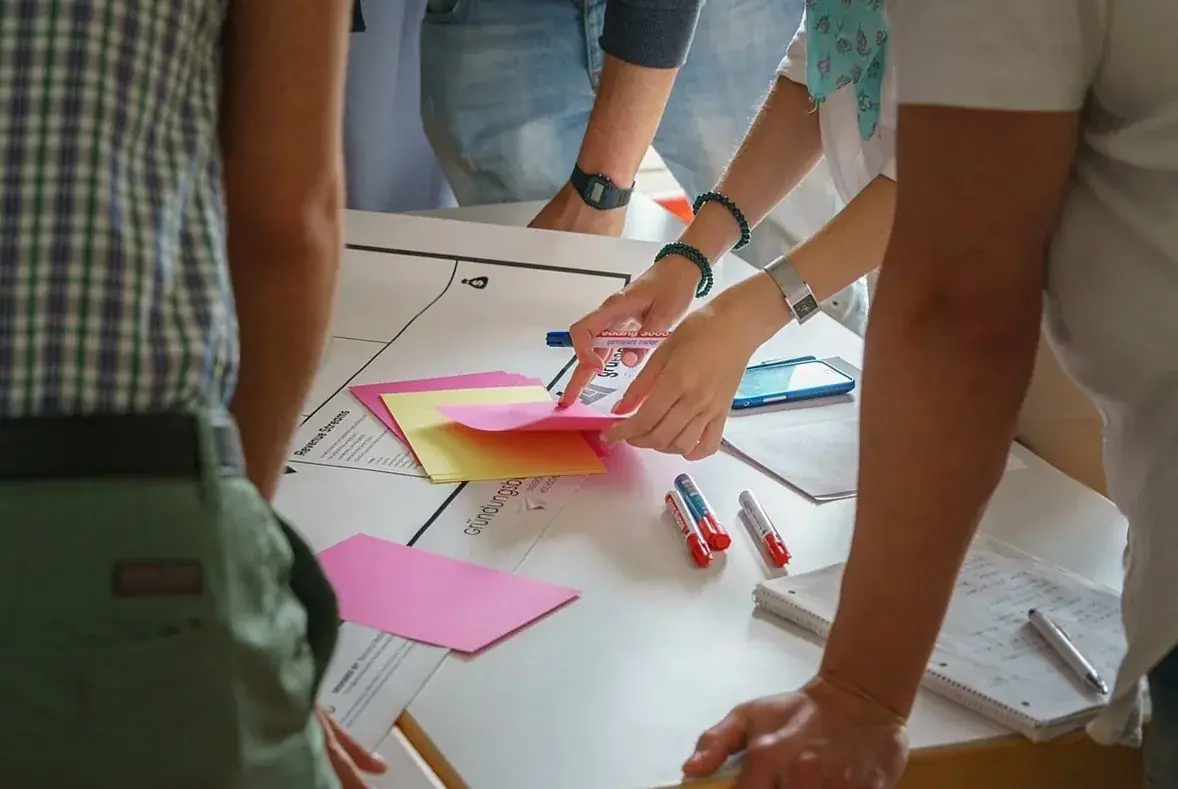
The engagements that produce lasting change tend to have a few things in common. The leadership team is genuinely involved in the analysis, not just presented with conclusions. The difficult questions, the ones that have been avoided because they are uncomfortable, are put on the table and worked through. And the recommendations that emerge are ones the team has arrived at together, rather than ones delivered from outside.
This changes what the consultant's job looks like. The work is less about producing insight and more about creating the conditions where the team can produce it themselves. That is slower and less tidy than a standard consulting engagement, but it tends to produce outcomes that last.
A note on what to expect from a first conversation
A first conversation with a new client is not a pitch. It is an attempt to understand the situation clearly enough to know whether the work we do is genuinely relevant to it. Sometimes it is not, and saying so early is more useful than beginning an engagement that is not well suited to the problem.
If the fit is there, the conversation will usually surface the questions that matter most. Those questions become the starting point for scoping the engagement, which is always done in detail before any work begins.
Strategy work that changes how a leadership team thinks is rarer than the volume of strategy consulting would suggest. It is also more valuable, and it is what we are trying to do.
A note on method, not a promise: no engagement can guarantee a result, and what lasts depends on the people who carry the work forward after the report is delivered.